Tracing Advancement Routes Through Roulette Promotion Levels in Britain's Licensed Gaming Market
Gisela Lehmann · Jun 28, 2026
Tracing Advancement Routes Through Roulette Promotion Levels in Britain's Licensed Gaming Market
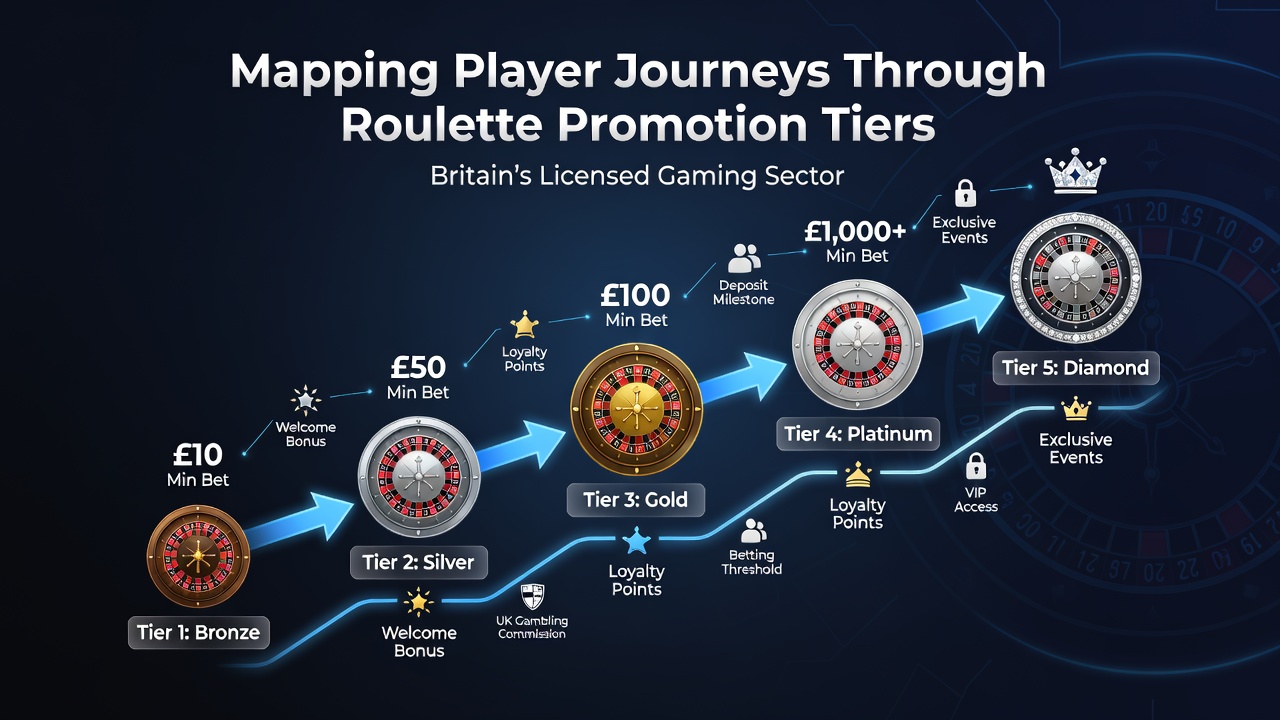
Promotion structures in Britain's licensed gaming sector organize player experiences around cumulative activity, with roulette contributing points toward tier movement, and operators track these metrics through centralized systems that record bets placed on both digital and live dealer variants. Players typically begin at entry tiers after initial registration and deposit activity, where basic incentives such as matched funds or free spin allocations become available, while advancement depends on consistent roulette participation measured in real-money wagers converted to loyalty points at fixed ratios determined by each operator.
Entry-Level Structures and Initial Player Movement
Operators in the regulated market establish base tiers that activate upon account verification and first deposits, granting access to standard roulette promotions that require wagering multiples before any withdrawal eligibility applies. Data from industry reports indicates that new participants often complete these requirements within the first month when focusing on European or French roulette variants, since these games generate points at rates comparable to other table offerings yet allow extended play sessions due to their lower house edges. Observers note that many players remain at this stage while testing platform features, and progression to subsequent tiers requires meeting deposit or bet thresholds that vary between 500 and 2000 pounds sterling over a 30-day period.
Mid-Tier Requirements and Roulette-Specific Contributions
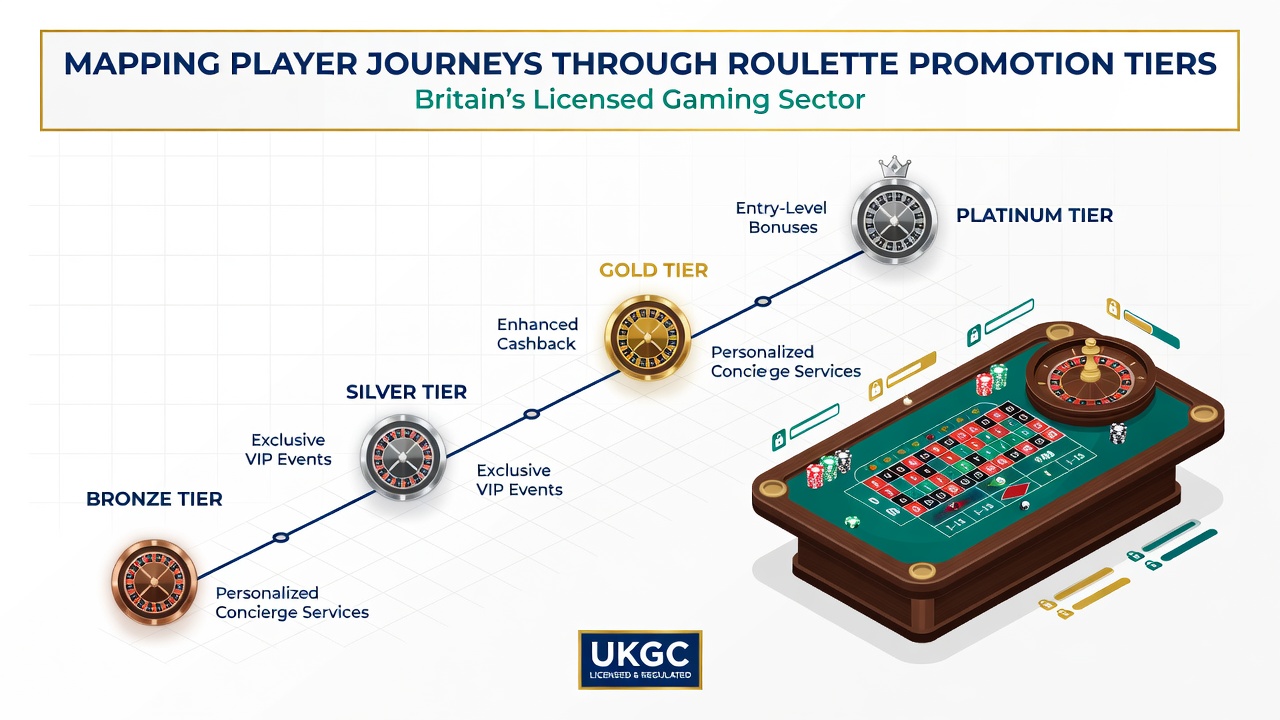
Once players surpass entry conditions, mid-level tiers unlock enhanced roulette incentives including cashback percentages on net losses and increased point multipliers during promotional windows. These levels frequently incorporate live dealer sessions as qualifying activity, where operators credit additional points for bets placed during peak hours. Research indicates that roulette volume accounts for approximately 35 percent of total loyalty point accumulation across major platforms, because the game's rapid round structure permits higher frequency compared with slower-paced alternatives like blackjack. Players advancing through these stages encounter adjusted wagering conditions that scale with tier status, yet maintain consistent cashout pathways tied to verified payment methods approved under licensing standards.
Upper-Tier Benefits and Sustained Engagement Patterns
Higher promotion tiers deliver personalized roulette offerings such as dedicated tables, multiplier events, and reduced withdrawal processing times that reflect accumulated activity. In June 2026, several operators adjusted their upper-tier frameworks to include quarterly resets combined with carry-over provisions for points earned during high-volume periods, allowing continued access even when monthly targets fluctuate. Those who reach these stages typically demonstrate sustained roulette engagement exceeding 10,000 pounds in total bets, with points converted into exclusive reload packages or event invitations that further encourage platform retention. External analyses from the Responsible Gambling Council highlight how tiered systems influence session length across different player cohorts without altering overall spend patterns when responsible limits remain in place.
Comparative Data Across Licensed Operators
Figures from gaming industry associations reveal that tier progression rates differ based on roulette format preferences, with live variants contributing faster advancement in platforms offering real-time dealer interactions. A study conducted by the Australian Gambling Research Centre on international loyalty models found that structured tier systems correlate with higher retention when clear advancement criteria appear upfront, although regional licensing rules in Britain enforce transparency requirements that prevent hidden conditions. Players moving between operators often restart at entry levels unless transfer agreements exist, which remain uncommon due to separate loyalty program architectures maintained by each licensee.
Conclusion
Mapping these journeys shows how roulette promotion tiers function as sequential gateways within Britain's licensed environment, where point accumulation from wagers drives movement and unlocks scaled incentives at each stage. The patterns documented through operator data and independent reviews demonstrate consistent structural elements across the sector while accommodating variations in specific thresholds and reward types. As activity continues through 2026, these frameworks maintain their role in organizing player progression under established regulatory oversight.