The Lifecycle of Table Game Promotions: Acquisition, Retention, and Payout Dynamics
Amir Keller · Aug 9, 2026
The Lifecycle of Table Game Promotions: Acquisition, Retention, and Payout Dynamics
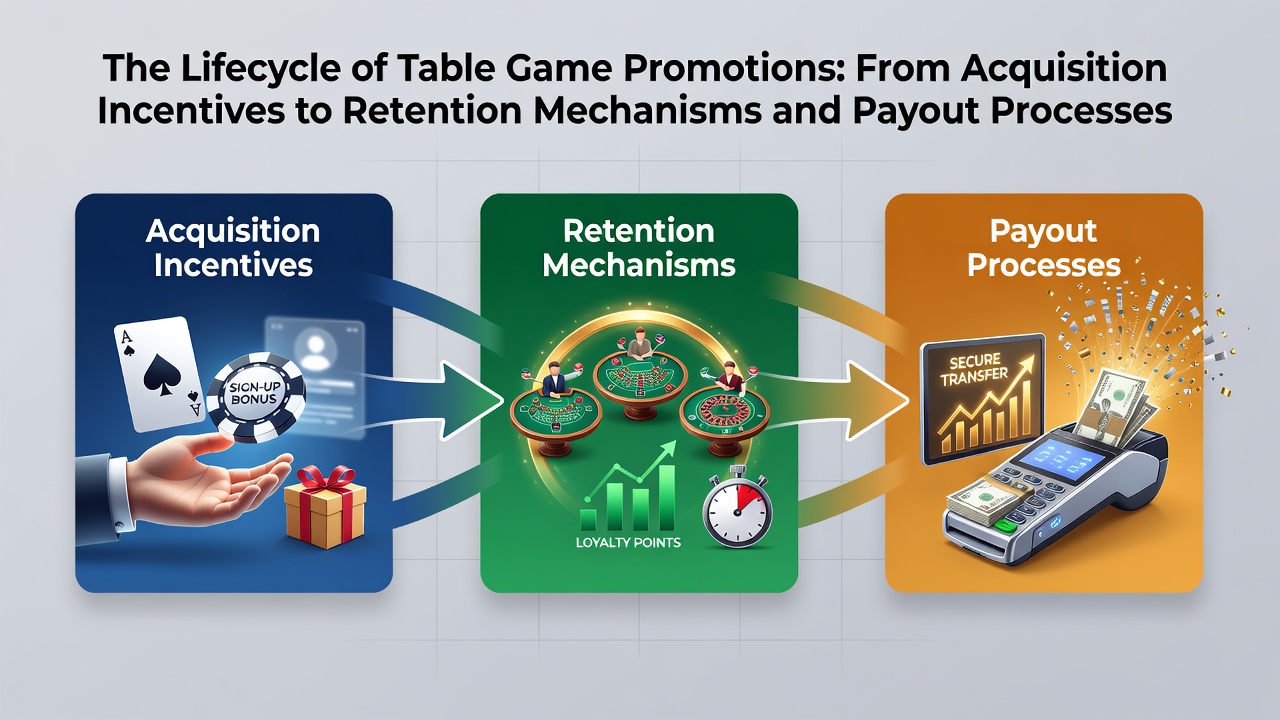
Table game promotions follow structured cycles that begin with acquisition incentives designed to attract new participants, move through retention mechanisms aimed at sustaining engagement, and conclude with payout processes that convert promotional credits into withdrawable funds, according to industry analyses from regulatory bodies across multiple jurisdictions.
Acquisition Incentives in Table Game Environments
Operators introduce acquisition incentives such as deposit matches and free bet credits specifically for games like blackjack and roulette, with these offers typically requiring initial account verification and minimum funding amounts before activation, data from the Nevada Gaming Control Board indicates. These programs often tie directly to table game activity rather than slots, and eligibility criteria include age verification plus geographic restrictions that align with local licensing rules. Players receive these incentives through targeted email campaigns or affiliate networks, while operators track redemption rates to measure initial conversion effectiveness.
Research from academic sources on gambling behavior shows that acquisition phases last between seven and thirty days depending on the jurisdiction, after which promotional value either converts or expires based on predefined terms. Multiple operators coordinate these offers with seasonal events, and in August 2026 several North American properties adjusted bonus structures ahead of major sporting calendars to align with expected traffic patterns.
Retention Mechanisms and Ongoing Engagement
Retention mechanisms extend beyond the first deposit through tiered loyalty programs, periodic reload bonuses, and cashback structures that reward consistent table game play over extended periods. These systems assign points based on wager volume, with higher tiers unlocking faster point accumulation and exclusive table access privileges, figures from Canadian provincial gaming reports reveal. Operators deploy personalized offers derived from player data analytics, and retention campaigns frequently incorporate time-limited multipliers that apply exclusively to live dealer or electronic table products.
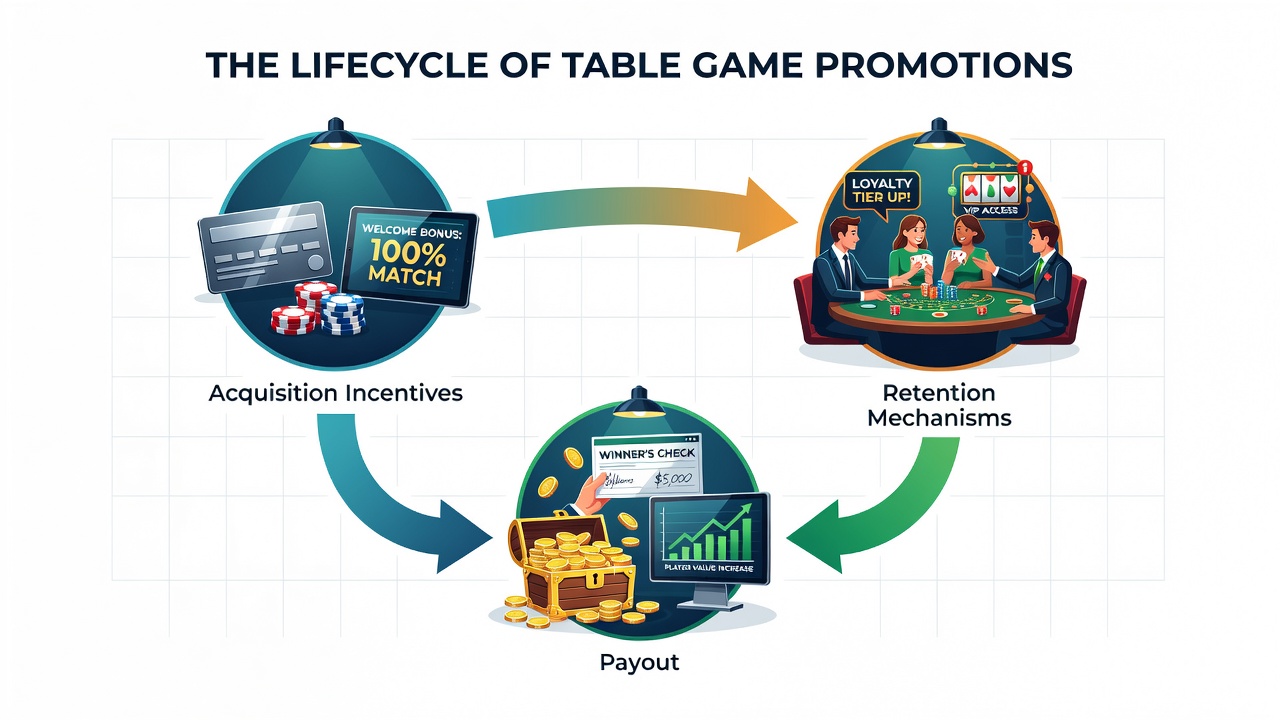
Studies conducted by European research institutions demonstrate that retention success correlates with transparent communication of terms, where players receive clear notifications about remaining wagering thresholds and upcoming reward windows. Some programs integrate social features such as leaderboard competitions among table game participants, while others focus on segmented cashback percentages that scale with monthly activity levels. Data indicates these mechanisms reduce churn rates when combined with regular account activity monitoring and timely intervention offers.
Payout Processes and Compliance Requirements
Payout processes begin once promotional balances meet all attached wagering requirements, at which point operators transfer eligible amounts to player cash balances for standard withdrawal procedures. These steps involve verification of identity documents, review of transaction histories, and confirmation that no bonus abuse patterns exist, according to guidelines from the Malta Gaming Authority. Processing times vary by payment method, with e-wallet options typically completing within twenty-four hours while bank transfers extend to three to five business days.
Industry reports highlight that operators must maintain detailed audit trails for every promotional conversion, and regulatory frameworks in multiple regions mandate minimum payout percentages tied to overall table game revenue. Players navigate these stages through account dashboards that display real-time progress toward cashout eligibility, and support teams handle inquiries regarding pending reviews or documentation requests. Compliance teams conduct periodic reviews to ensure all processes align with evolving legal standards across different markets.
Conclusion
The full lifecycle of table game promotions connects acquisition incentives directly to retention mechanisms and eventual payout processes, forming a continuous system that operators refine based on performance metrics and regulatory updates. Observers note that successful programs maintain clear documentation at each stage, while data from diverse regulatory sources continues to shape how these cycles operate across global markets.