Mapping the Full Cycle of Roulette Promotions in UK Markets
Anna Günther · Aug 18, 2026
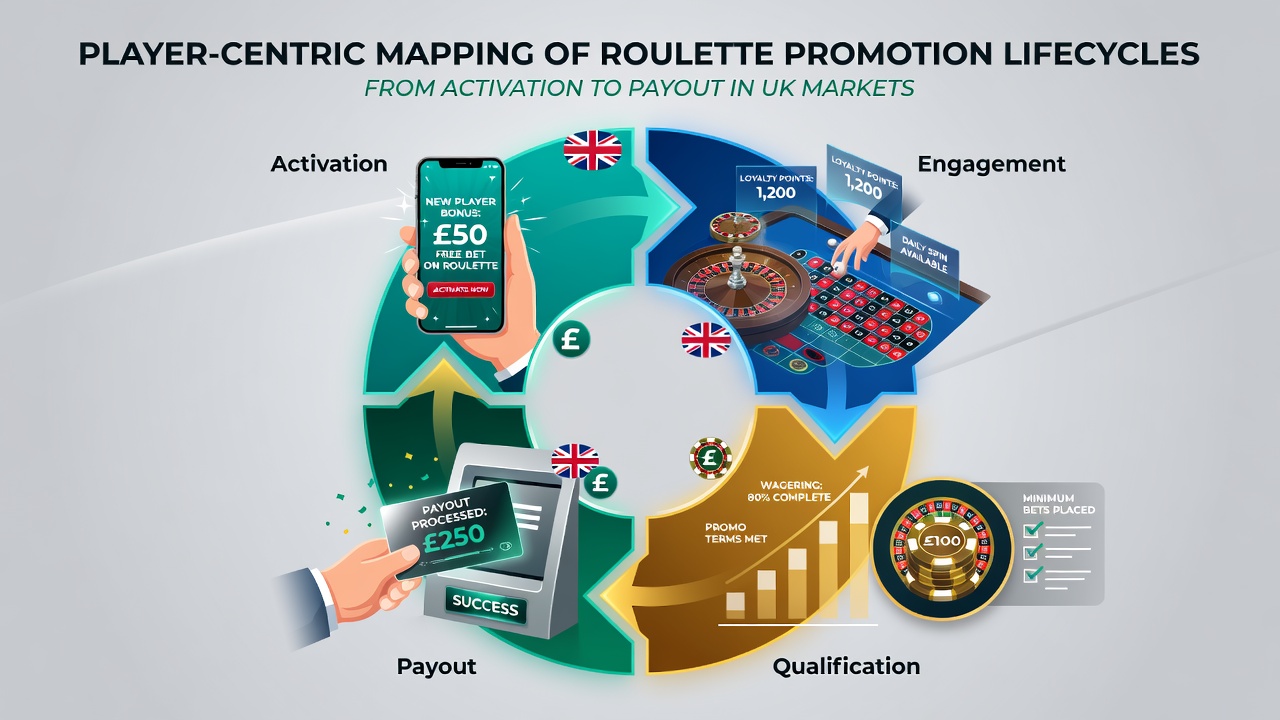
Mapping the Full Cycle of Roulette Promotions in UK Markets
Player-centric mapping of roulette promotion lifecycles tracks every step a user takes when engaging with offers on UK platforms, beginning at activation and ending at payout, while operators design these sequences around compliance and retention data collected through 2026. Industry reports indicate that such mapping helps clarify how bonuses move from initial claim to final withdrawal, incorporating elements like registration triggers, deposit matches, and live dealer integrations that have gained traction in recent months.
Activation Triggers and Initial Engagement
Activation often starts when a player completes registration or makes a qualifying deposit, at which point the system credits bonus funds or free spins directly to the account, and operators log these events to monitor uptake rates across different demographics. Data from various gaming associations shows that August 2026 saw continued emphasis on mobile-first activation paths, where users receive instant notifications and seamless redirects to roulette tables without additional verification steps beyond standard age checks.
Researchers at academic institutions have examined how these entry points influence subsequent play patterns, noting that promotions tied to live dealer roulette tend to activate faster because they align with real-time table availability and session lengths that average longer than standard digital versions.
Progression Through Wagering and Play Phases
Once active, promotions enter the wagering phase where players must meet contribution thresholds on roulette bets, with contributions calculated as a percentage of each spin's stake depending on the game variant selected. Observers note that multi-tier frameworks layer additional cashback or loyalty rewards on top of base offers, creating extended cycles that stretch across multiple sessions rather than single visits.
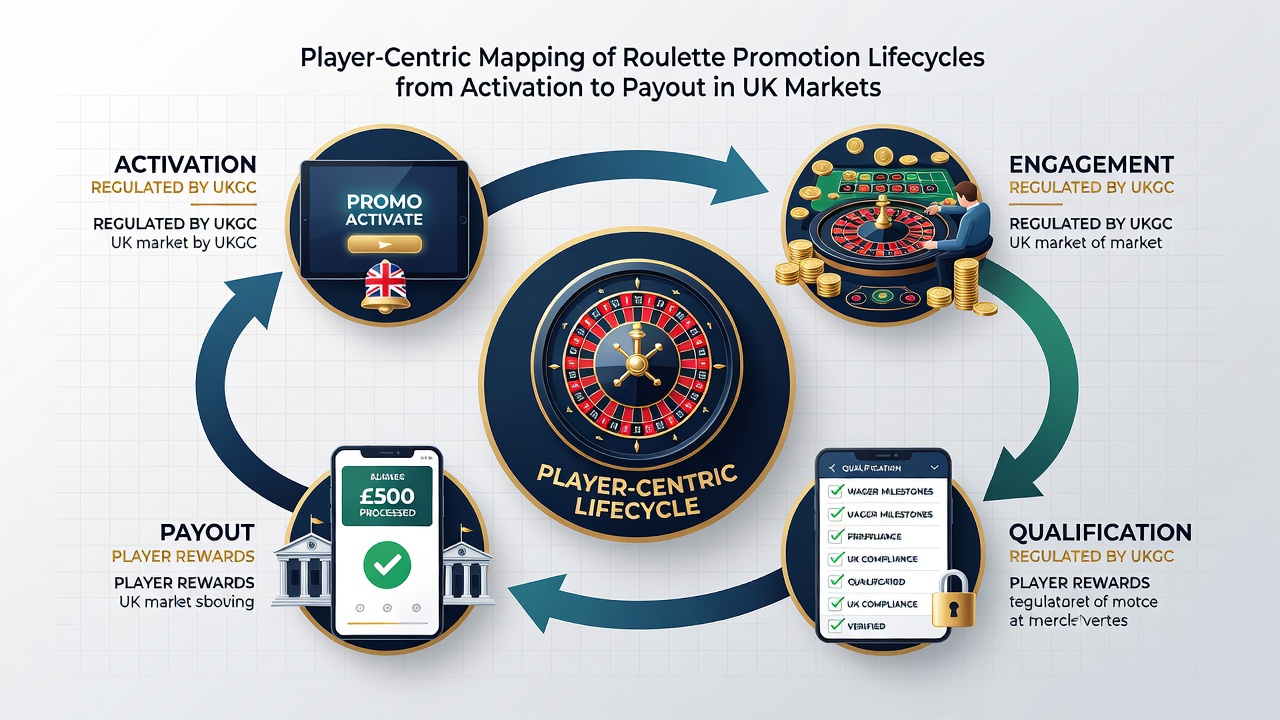
Figures from European gaming bodies reveal that contribution rates for roulette often sit between 50 and 100 percent toward total wagering targets, while side bets or special features may count at reduced levels or not at all. Those who have studied player behavior in similar markets point out that live roulette promotions frequently incorporate time-bound multipliers during peak hours, accelerating progress toward completion for active users.
Transition to Payout Eligibility
Completion of wagering requirements shifts the promotion into payout eligibility, at which point any converted winnings become available for withdrawal requests subject to verification protocols and daily limits set by the platform. Reports from the European Gaming and Betting Association highlight that processing times average between one and five business days once eligibility clears, though certain promotions impose additional holding periods to manage cashflow.
Case examples from operators demonstrate how loyalty tiers can shorten these windows by granting priority processing, and industry data indicates that August 2026 trends showed increased use of instant payout options linked to e-wallets for users who had already passed initial KYC checks.
Monitoring and Adjustment Throughout the Cycle
Operators continuously adjust lifecycle parameters based on aggregated player data, refining activation thresholds or wagering multipliers to balance retention goals against regulatory requirements. A study referenced by Canadian research groups on gambling patterns found that clear communication of lifecycle stages correlates with higher completion rates, reducing instances where users abandon promotions midway due to unclear terms.
What's notable is how external factors like seasonal events or new game releases in 2026 have prompted temporary modifications to these cycles, such as extended play windows or bonus stacking allowances that operators announce through targeted notifications.
Conclusion
The mapping of roulette promotion lifecycles from activation to payout provides a structured view of how UK market participants interact with offers, supported by data on activation methods, wagering mechanics, and withdrawal processes that continue to evolve with technological and regulatory shifts. External sources such as those from the National Institute on Alcohol Abuse and Alcoholism offer broader context on behavioral tracking that operators sometimes reference when refining these systems.