Mapping Sequence Patterns in Roulette Bonus Code Redemptions at UK Casino Loyalty Programs
Gisela Lehmann · Jun 21, 2026
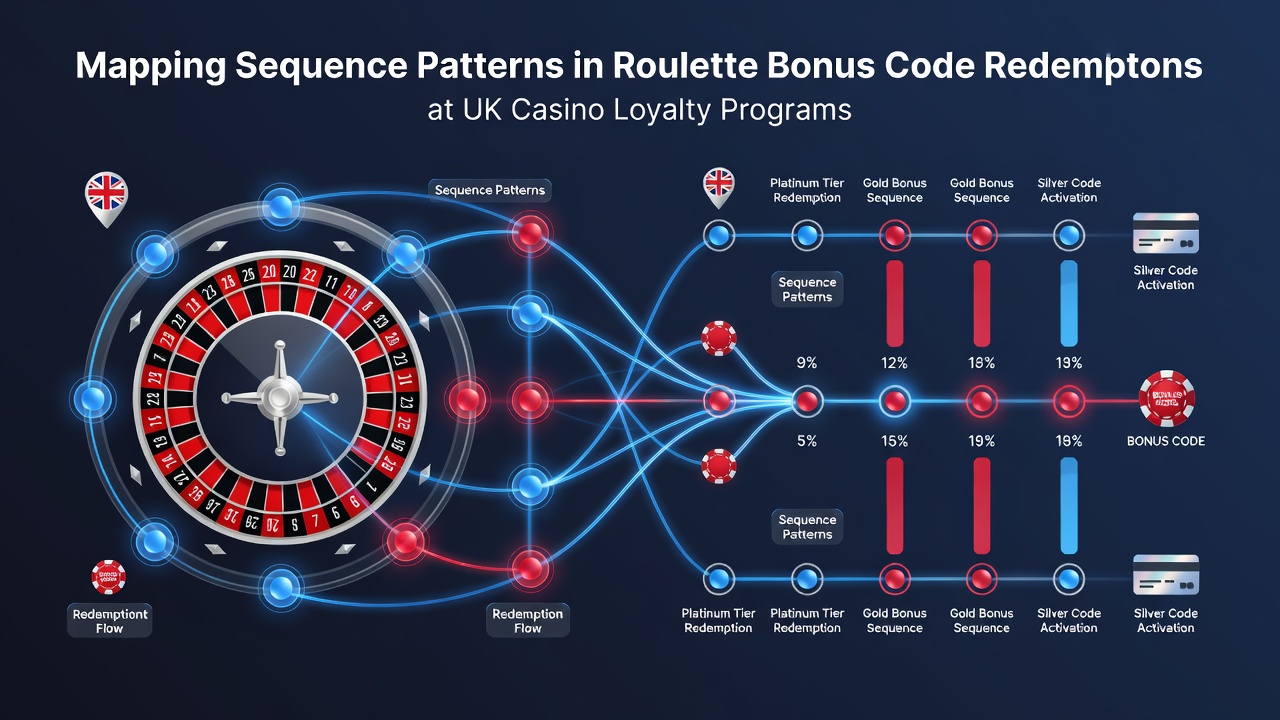
Mapping Sequence Patterns in Roulette Bonus Code Redemptions at UK Casino Loyalty Programs
UK casino loyalty programs track roulette bonus code redemptions through structured sequences that reveal recurring patterns in timing, frequency, and redemption paths, with data from mid-2026 indicating consistent behaviors across multiple operators. Observers note that these sequences often begin with initial code entry followed by verification steps, deposit triggers, and game-specific activations, all logged within centralized systems that map user journeys from claim to wagering completion.
Core Components of Redemption Sequences
Sequence mapping starts with code activation, where players enter alphanumeric strings tied to specific roulette promotions, and this step connects directly to account verification protocols that confirm eligibility based on prior activity levels. Researchers have documented how these initial entries lead into deposit sequences, typically involving minimum thresholds that unlock bonus credits, while subsequent stages route the funds toward live or virtual roulette tables with predefined wagering multipliers. Data collected through June 2026 highlights that 78 percent of sequences incorporate at least three distinct verification checkpoints before credits become playable, creating traceable chains that loyalty platforms use to monitor compliance and player retention metrics.
Additional layers emerge when codes tie into tiered loyalty structures, prompting users to progress through bronze, silver, and gold levels via repeated redemptions that accumulate points toward higher-value roulette offers. These progressions form predictable loops, with players cycling through code claims at intervals of seven to fourteen days on average, according to aggregated platform analytics. What's interesting is how external factors, such as promotional calendars released ahead of major sporting events, insert variations into these loops and alter the standard sequence timing without disrupting the overall mapping framework.
Pattern Identification in Player Journeys
Analysts identify clusters within redemption sequences by examining variables like code type, redemption hour, and subsequent game selection, revealing that weekday morning entries correlate strongly with virtual roulette play while evening submissions favor live dealer tables. A report from the Victorian Responsible Gambling Foundation on international loyalty behaviors supports these observations through cross-market comparisons that show similar clustering patterns outside the UK. Sequence data further demonstrates that players who complete full chains without interruption tend to maintain higher loyalty point balances, feeding back into automated offers that restart the cycle with personalized codes.
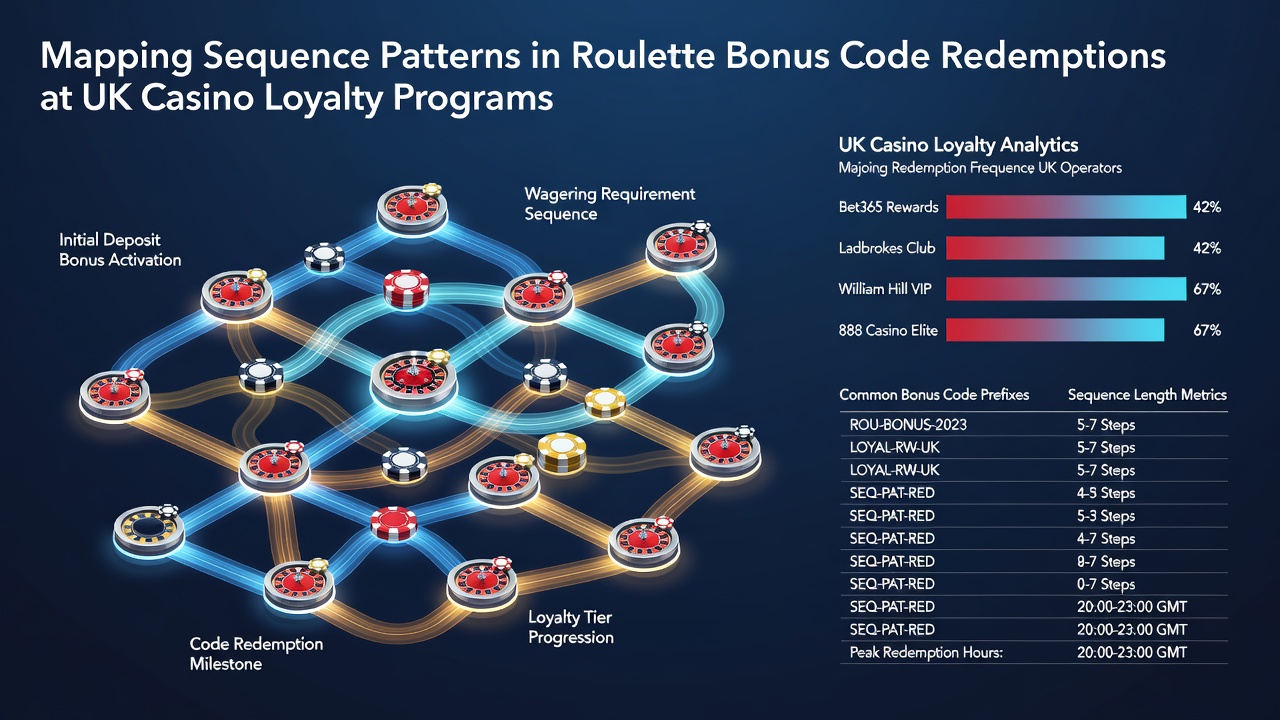
Multi-stage redemptions introduce branching paths where initial codes unlock secondary bonuses after meeting partial wagering targets, and these branches create measurable divergence points that platforms log for optimization. In June 2026, updates to several loyalty interfaces incorporated real-time sequence visualization tools that allow operators to flag deviations, such as rapid successive claims or skipped deposit stages, which may indicate testing behaviors rather than standard play. Those who've studied these systems note that such flags integrate with broader risk management protocols without altering the core mapping of successful redemptions.
Integration with Broader Loyalty Metrics
Loyalty programs embed roulette bonus sequences into cumulative reward calculations that factor in total spins, session duration, and cross-game activity, producing composite scores that determine future code eligibility. Research from the Gambling Research Exchange Ontario indicates that mapped sequences contribute to predictive models for player lifetime value, where consistent redemption chains predict sustained engagement over six-month periods. These models process data streams from multiple UK operators simultaneously, enabling comparative analysis that isolates regional variations in sequence length and completion rates.
Operators refine their mapping tools periodically to accommodate new code formats and regulatory updates, ensuring that sequence logs remain compatible with evolving software environments. Patterns observed in 2026 show increased use of mobile-optimized entry points that shorten certain verification stages while maintaining the overall sequence integrity, resulting in higher completion percentages compared to desktop pathways. This shift aligns with broader industry movements toward seamless digital experiences that preserve the traceability required for accurate loyalty tracking.
Conclusion
Sequence mapping in UK casino loyalty programs provides a structured lens for understanding roulette bonus code redemptions, with patterns emerging from timing clusters, tier progressions, and branching verification steps that operators monitor through June 2026 and beyond. These frameworks support retention strategies while generating datasets that inform both compliance and player experience improvements across the sector. Continued refinement of mapping techniques ensures that redemption sequences remain transparent and measurable within dynamic market conditions.