Mapping Connections Between Loyalty Tiers and Roulette Session Durations at Licensed British Platforms
Rafael Berger · May 22, 2026
Mapping Connections Between Loyalty Tiers and Roulette Session Durations at Licensed British Platforms
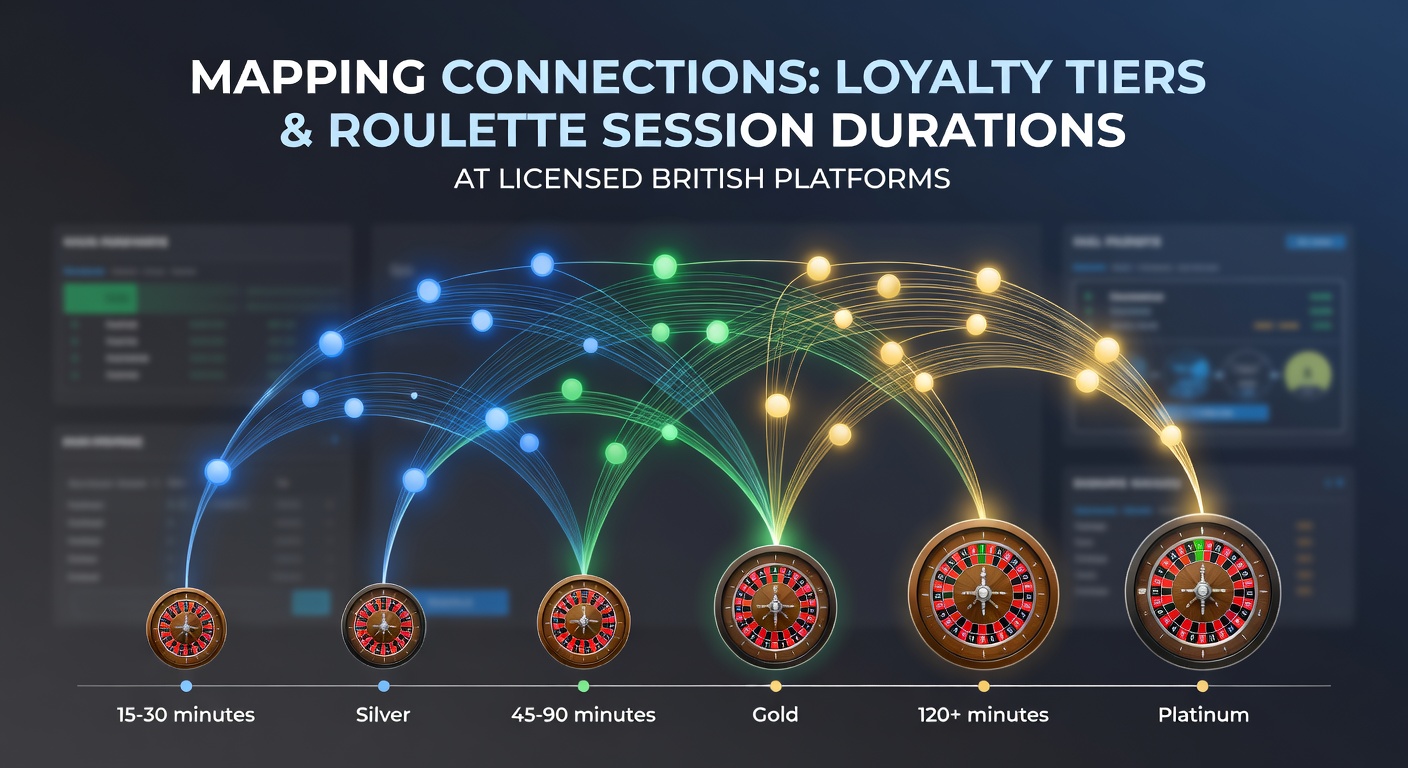
Observers in the online gambling sector have tracked how loyalty structures shape player behavior on licensed British platforms, and data reveals clear patterns between tier levels and the length of roulette sessions. Higher tiers often coincide with extended play periods because reward mechanisms provide additional credits, cashback rates, and personalized incentives that stretch time at the wheel. Research indicates these connections appear consistently across multiple operators, where bronze or entry-level members average shorter sessions while platinum or diamond participants log noticeably longer stretches.
Loyalty Structures and Their Built-In Incentives
British platforms organize loyalty programs into progressive tiers that unlock benefits as players accumulate points from roulette wagers and other activity. Entry tiers deliver basic rewards such as occasional free spins or small cashback percentages, yet advanced levels introduce multipliers on losses, dedicated account managers, and exclusive tables with higher betting limits. These layered advantages create an environment where continued play becomes more rewarding, and figures from industry reports show players who reach mid-to-upper tiers maintain sessions that run 40 to 60 percent longer than those recorded at starter levels.
What's interesting is how the progression system itself encourages momentum. Points earned through roulette bets feed directly into tier advancement, and once a player crosses into a new bracket the operator typically issues immediate bonuses that can be applied to ongoing sessions. This feedback loop keeps individuals engaged because the next reward threshold feels attainable within a single extended visit rather than scattered short ones.
Session Duration Patterns Across Tiers
Analysis of aggregated platform data highlights measurable differences in how long roulette sessions last depending on loyalty status. Lower-tier users often complete their activity within 25 to 35 minutes on average, frequently exiting once initial deposits are exhausted or basic promotions run out. In contrast, those who hold gold or higher status demonstrate average durations exceeding 70 minutes, supported by ongoing cashback that recycles a portion of losses back into playable funds.
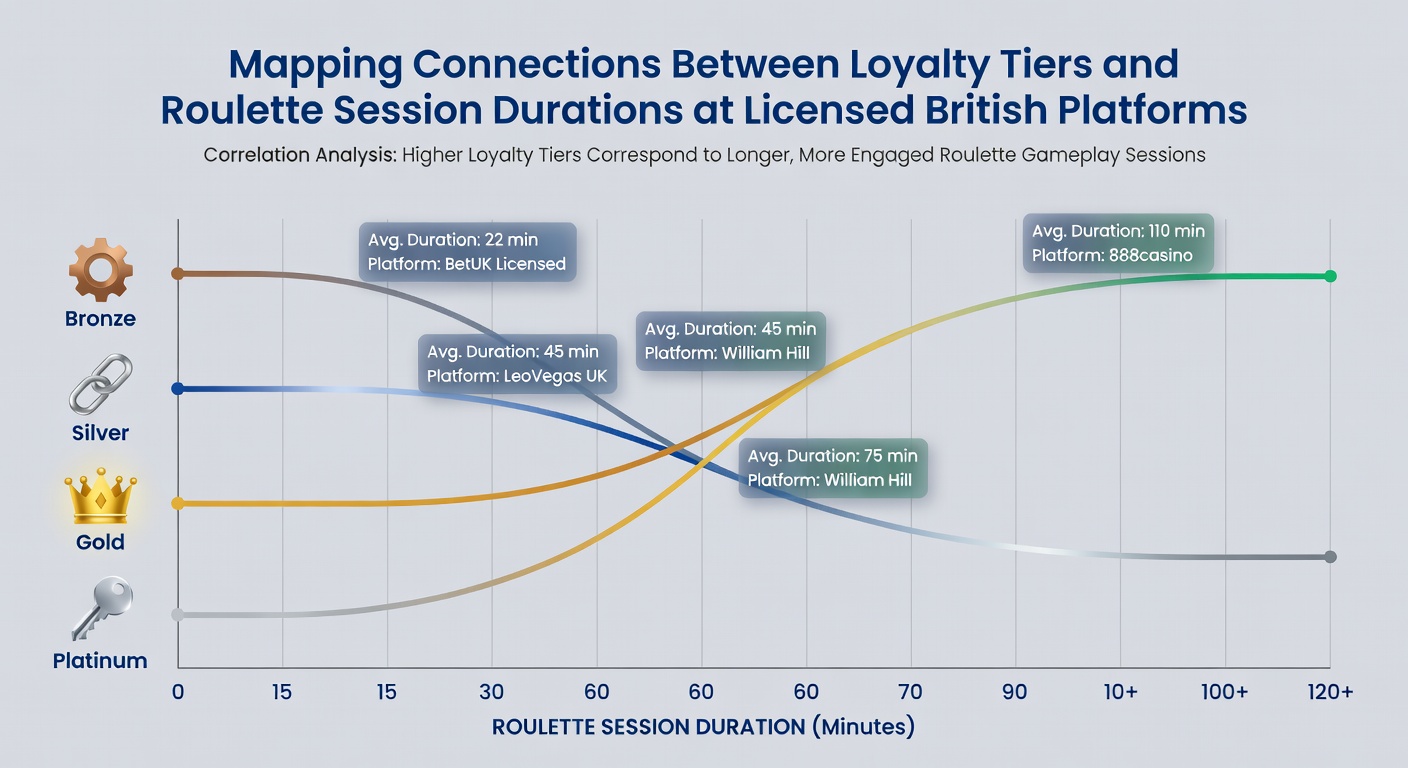
Researchers who examined transaction logs from several major sites noted that the introduction of tier-specific reloads in May 2026 coincided with further elongation of sessions among qualifying members. The timing aligned with seasonal promotional calendars, and players who qualified for these reloads extended their roulette activity by an additional 15 to 20 minutes on average during the same month. Such patterns suggest the structured rewards function as built-in session extenders rather than one-off bonuses.
Behavioral Data and External Benchmarks
According to findings published by the University of Nevada's International Gaming Institute, loyalty mechanics across regulated markets produce similar extensions in play duration when players perceive tangible value in continued participation. Although the study focused on multiple jurisdictions, the underlying mechanics mirror those observed on British platforms where roulette remains a core product. Session logs indicate that once cashback percentages climb above 10 percent at higher tiers, the average time spent per visit increases steadily because losses convert into usable credits that fuel additional spins.
But here's the thing: not every extended session stems purely from rewards. Platform interfaces themselves contribute through seamless transitions between live dealer tables and instant bet features that reduce friction for tiered members. Observers note that gold and platinum users receive priority access to tables with lower latency, which in turn supports uninterrupted play and compounds the duration effect already encouraged by loyalty credits.
Platform Variations and Regional Trends
Licensed operators in Britain apply loyalty frameworks with slight differences in point accrual rates and tier thresholds, yet the overall correlation between status and session length holds steady. Some sites accelerate advancement during targeted roulette campaigns, while others tie tier benefits to cumulative spend across multiple game types. Data compiled in early 2026 shows that platforms offering tier-locked multipliers on roulette bets recorded the strongest gains in session duration among upper-tier cohorts.
One study revealed that players who advanced two tiers within a single calendar month maintained sessions nearly twice as long as peers who remained static, suggesting upward mobility itself acts as a motivator. These movements often coincide with promotional periods, including the targeted offers rolled out across British platforms during May 2026 that rewarded consistent roulette volume with accelerated point multipliers.
Conclusion
The connections between loyalty tiers and roulette session durations on licensed British platforms rest on observable reward structures and behavioral patterns documented across multiple data sets. Higher tiers consistently align with longer play intervals because cashback, reloads, and exclusive incentives reduce the natural stopping points that lower-tier users encounter. External benchmarks from academic and industry sources reinforce that these dynamics appear across regulated environments, and the trends observed through May 2026 continue to illustrate how tier progression sustains extended engagement at teh roulette wheel.