How Tiered Rewards Systems Shape Extended Play Patterns at Licensed British Roulette Tables
Eden Zimmermann · Jun 26, 2026
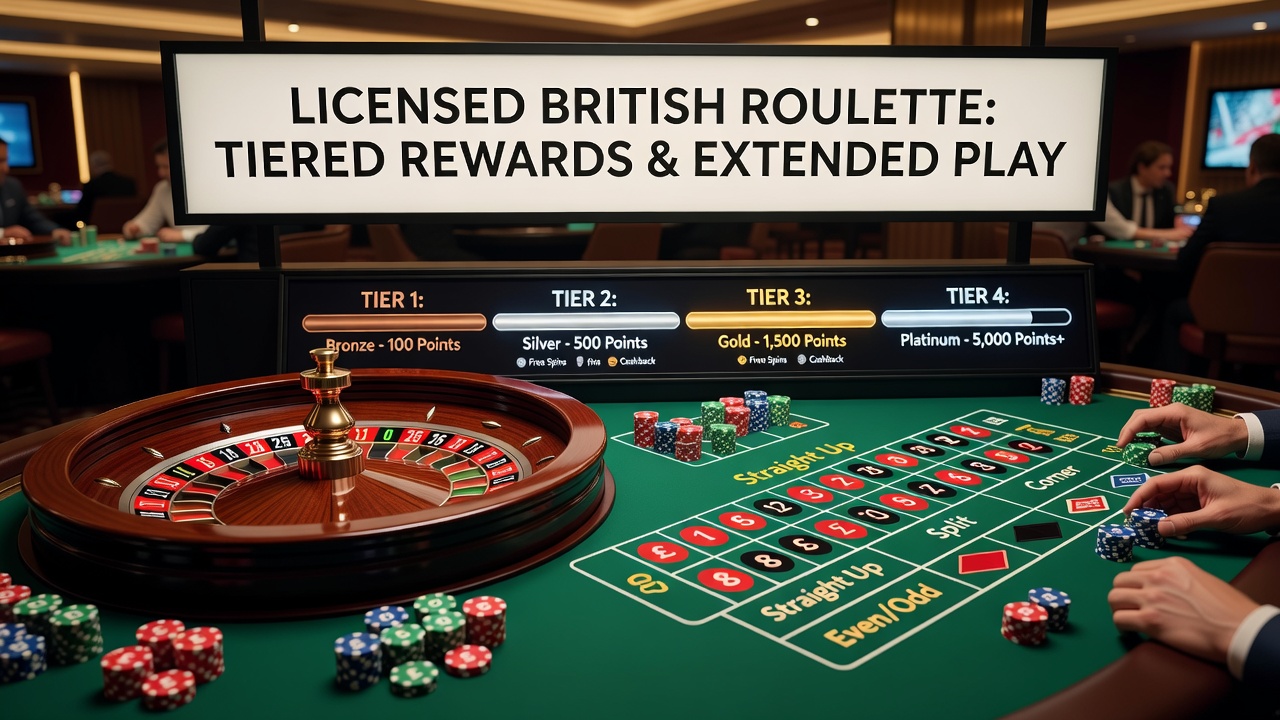
Tiered Rewards Systems and Extended Play Patterns in Licensed British Roulette Venues
British roulette operators have implemented multi-level reward structures that track player activity across sessions, and these frameworks connect directly to measurable changes in how long participants remain at the tables. Data from industry reports shows that players enrolled in tiered programs often extend their average session duration by 25 to 40 percent compared with non-members, because accumulated points unlock escalating benefits that encourage continued wagering. These systems typically divide participants into categories such as entry-level, intermediate, and premium tiers, where progression depends on cumulative bets placed rather than single-session totals. Observers note that roulette tables at licensed venues record higher repeat spin volumes once players approach the threshold for the next tier, since the perceived value of upcoming perks outweighs the immediate cost of additional play. Research from the University of Nevada's gaming studies department indicates that such graduated incentives align with behavioral patterns observed in controlled environments, where participants adjust their pacing to meet milestones.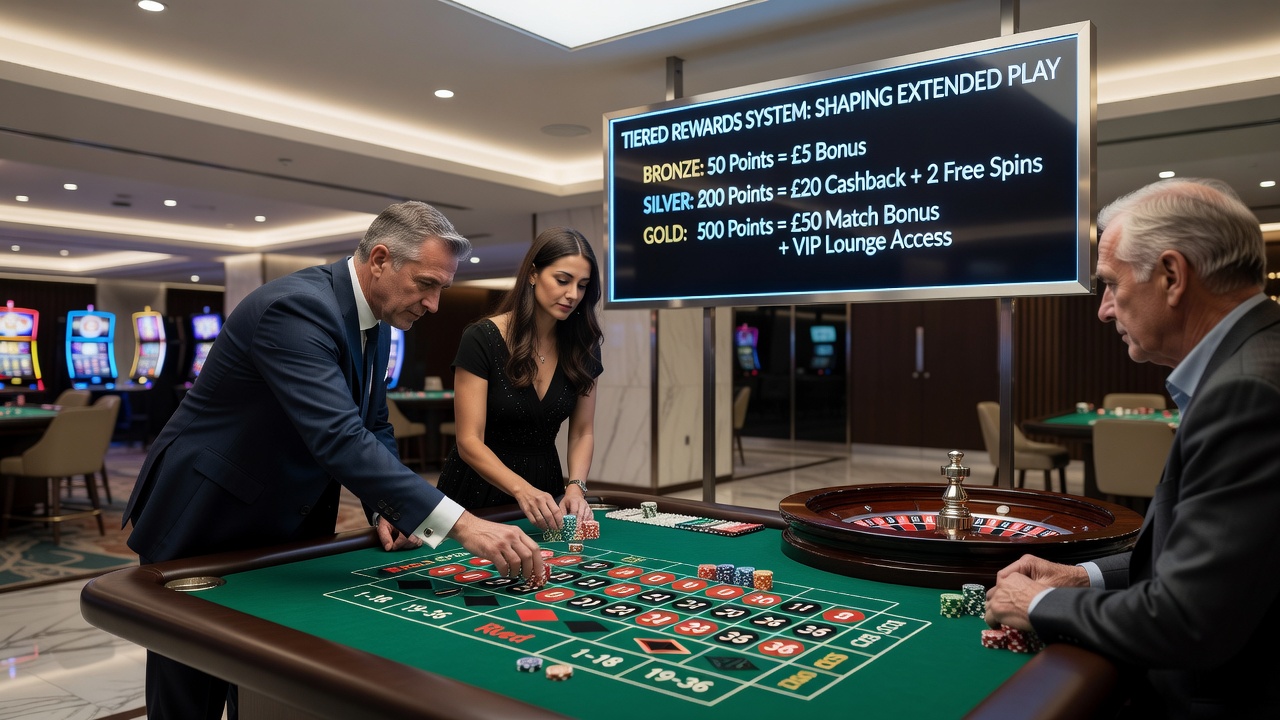
British roulette operators have implemented multi-level reward structures that track player activity across sessions, and these frameworks connect directly to measurable changes in how long participants remain at the tables. Data from industry reports shows that players enrolled in tiered programs often extend their average session duration by 25 to 40 percent compared with non-members, because accumulated points unlock escalating benefits that encourage continued wagering. These systems typically divide participants into categories such as entry-level, intermediate, and premium tiers, where progression depends on cumulative bets placed rather than single-session totals. Observers note that roulette tables at licensed venues record higher repeat spin volumes once players approach the threshold for the next tier, since the perceived value of upcoming perks outweighs the immediate cost of additional play. Research from the University of Nevada's gaming studies department indicates that such graduated incentives align with behavioral patterns observed in controlled environments, where participants adjust their pacing to meet milestones.Mechanics Behind Tier Progression and Roulette Engagement
Operators calculate tier advancement through a combination of total stake volume and frequency of visits, which means a player might move from bronze to silver status after placing £5,000 in wagers over several weeks. Once upgraded, benefits expand to include cashback percentages that rise from 5 percent at lower levels to 15 percent at higher ones, along with complimentary roulette chips or priority access to live tables during peak hours. This structure creates feedback loops because each completed tier resets or elevates the next target, prompting individuals to maintain momentum rather than conclude play after reaching an initial goal. Figures from European gaming association analyses reveal that roulette-specific loyalty modules contribute to a 30 percent increase in table occupancy rates during evening shifts at venues that actively promote these programs. What's interesting is how the visible progress bar or app notification reinforces the decision to stay, turning what might have been a short visit into an extended sequence of spins while the player monitors proximity to the subsequent reward bracket.Observed Shifts in Session Duration and Betting Volume
Licensed establishments report that tiered participants exhibit steadier bet sizing across longer periods instead of the rapid escalation followed by abrupt exits seen among casual visitors. One study compiled by the Canadian Centre on Substance Use and Addiction tracked similar loyalty frameworks and found that extended exposure correlates with players distributing their bankroll across more spins, which sustains table activity without immediate depletion. In June 2026 several British sites introduced seasonal tier accelerators tied to roulette events, and preliminary operator logs show these campaigns lifted average session lengths by an additional 18 minutes per participant during the promotional window. The pattern holds across both physical and hybrid live dealer formats, where digital tracking feeds directly into the same reward database and notifies users of tier status in real time.