Exploring Tiered Rewards in British Casino Loyalty Schemes and Their Impact on Roulette Play Duration and Returns
Gisela Lehmann · Jul 26, 2026
Exploring Tiered Rewards in British Casino Loyalty Schemes and Their Impact on Roulette Play Duration and Returns
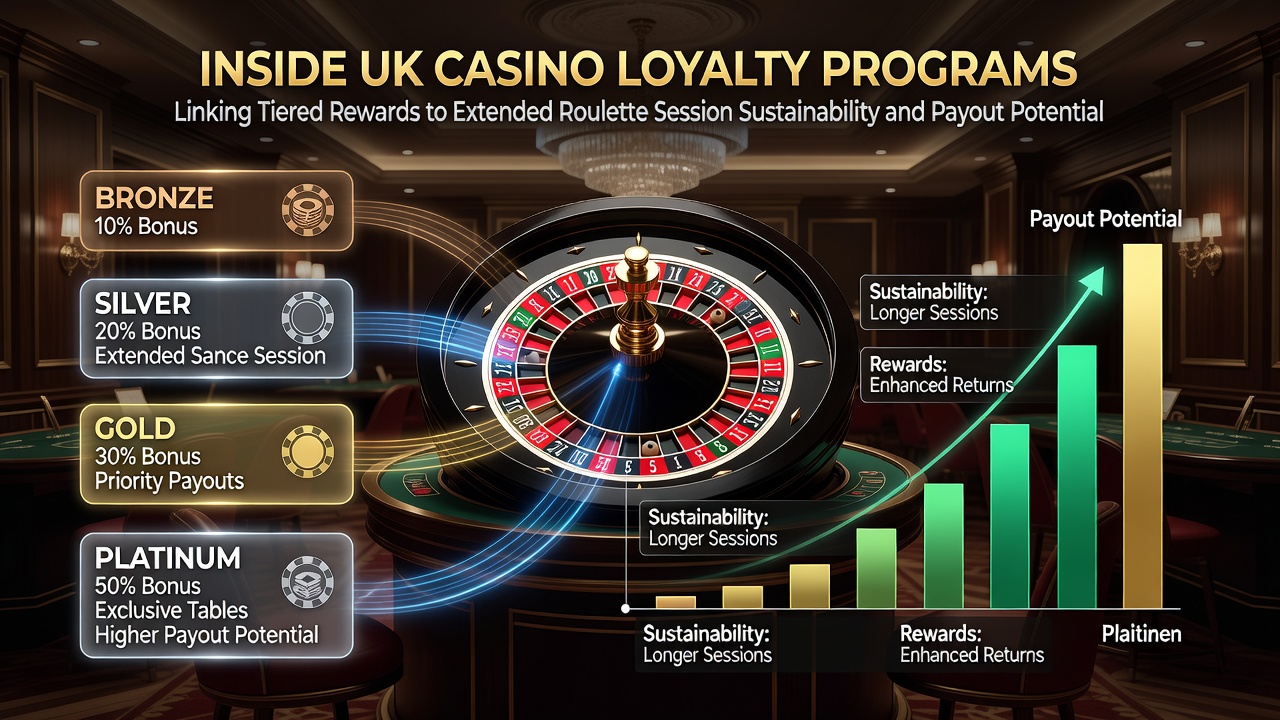
UK casino loyalty programs operate through structured tier systems that accumulate points based on player activity across games including roulette and these frameworks connect directly to rewards designed to support longer sessions while influencing overall payout trajectories according to industry reports from the European Gaming and Betting Association. Players advance through levels such as bronze silver gold and platinum by meeting specific wagering thresholds and each tier unlocks benefits like enhanced cashback percentages complimentary spins and personalized reload offers that extend playtime without additional deposits.
Data from academic analyses at the University of Salford indicates that tiered structures encourage sustained engagement because accumulated points convert into credits usable on roulette tables where the house edge remains consistent yet reward multipliers can offset losses over extended periods. Observers note that participants in higher tiers receive priority access to live dealer variants which often feature higher table limits and these elements combine to create pathways for maintaining bankrolls during sequences of spins.
How Points Accumulation Works in Practice
Most programs calculate points through a formula tied to bet volume where one point typically equals a fixed amount staked on roulette wheels and this system scales with tier progression so that gold members might earn double the rate compared to entry-level participants. Rewards then materialize as cash equivalents or free bets that players can apply directly to even-money wagers like red-black or odd-even bets and such mechanisms help sustain sessions by replenishing funds after initial play cycles.
Research from the Canadian Centre on Substance Use and Addiction highlights similar patterns in international markets where loyalty tiers correlate with increased session lengths because the perceived value of upcoming rewards motivates continued participation. In UK contexts these programs integrate with digital wallets that track real-time progress allowing players to monitor proximity to the next tier and adjust betting patterns accordingly without exceeding personal limits.
Connections Between Tiers and Roulette Session Length
Tier benefits frequently include time-limited promotions such as double points events during peak hours which accelerate advancement and tie into roulette sustainability by offering extended free play credits. Those who reach platinum status often gain access to dedicated account managers who provide tailored offers like bonus chips valid exclusively on specific wheel variants and these incentives reduce the frequency of cash withdrawals mid-session.
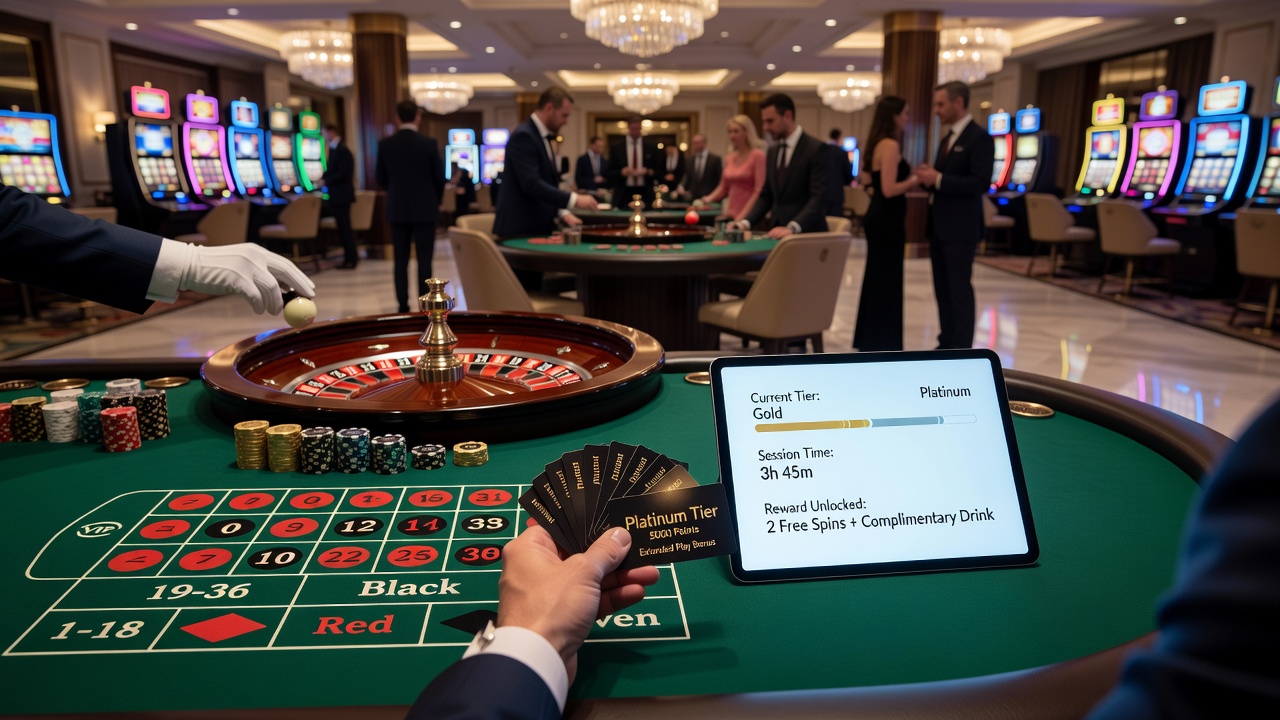
Figures from the Australian Gambling Research Centre reveal that reward-linked play extends average session duration by measurable margins because players factor in the value of pending redemptions when deciding whether to continue. In practice this means a silver tier participant might receive a 5 percent cashback on net losses applied weekly which effectively lowers the cost per spin and supports additional rounds before funds deplete entirely.
Payout Potential Through Reward Integration
Payout trajectories shift as players leverage tier rewards because cashback and bonus credits add to the effective return percentage beyond the base game odds. For instance a gold member might convert points into a 10 pound roulette voucher that carries standard wagering conditions yet contributes directly to withdrawable balances once met and this layering creates opportunities for net positive outcomes during favorable variance streaks.
Industry analyses from the National Council on Problem Gambling in the United States demonstrate that structured rewards can influence bankroll management by distributing value across multiple sessions rather than concentrating it in single large bonuses. UK operators apply similar models where loyalty tiers unlock progressive withdrawal speed improvements or reduced minimum cashout thresholds and these features help players realize gains from extended roulette activity without prolonged holds on funds.
What's interesting is how mid-2026 developments saw several platforms introduce cross-game point multipliers specifically for roulette enthusiasts and this adjustment allowed lower-tier players to close the gap on higher rewards more rapidly during July promotional windows. Such updates reflect broader trends where operators refine algorithms to balance reward distribution with player retention metrics.
Practical Examples from Current Programs
Take one operator that structures its tiers around monthly activity targets where reaching the next level grants a roulette-specific cash match up to 50 pounds and participants report using these to fund additional even-money bets that maintain session momentum. Another case involves programs offering tiered insurance on losses above a threshold which refunds a percentage as playable credits and thereby extends play without fresh deposits.
Those who've examined multiple schemes find that the sustainability factor stems from predictable reward cycles rather than random bonuses because points carry forward across months and accumulate toward annual milestones like exclusive tournament entries with guaranteed prize pools. This continuity supports payout potential by allowing strategic timing of larger bets when rewards offset risk exposure.
Conclusion
UK casino loyalty programs link tiered rewards to roulette session sustainability through point systems that generate ongoing credits and benefits while payout potential expands via integrated cashback and voucher mechanisms. Data from various regulatory and research bodies shows these structures promote extended engagement and the integration of 2026 updates continues to refine how players convert activity into tangible returns across different wheel formats. Observers note that understanding these connections helps map clear routes from initial play through reward redemption to final withdrawals.