Exploring Cyclical Modifications to Roulette Reward Systems in Licensed British Casinos
Amir Keller · Jun 23, 2026
Exploring Cyclical Modifications to Roulette Reward Systems in Licensed British Casinos
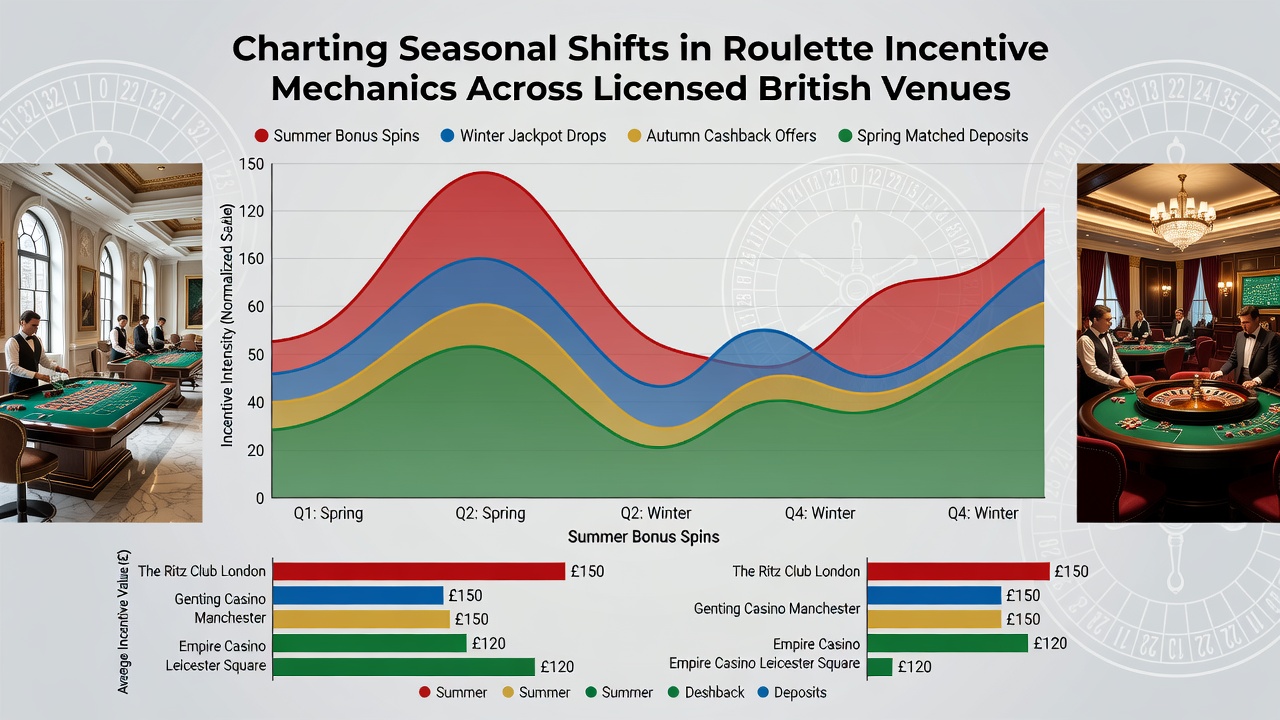
Operators at licensed British venues adjust roulette incentive mechanics in response to predictable calendar patterns that emerge each year, with data from industry reports revealing consistent modifications in bonus structures, wagering thresholds, and promotional timing. These adjustments align with player activity levels that fluctuate alongside holidays, weather changes, and sporting calendars, creating measurable differences between quarters.
Research from academic sources such as those published through the University of Nevada, Las Vegas International Gaming Institute indicates that summer periods often feature extended reload offers and lowered minimum deposit requirements for roulette tables, whereas winter months see increased emphasis on cashback programs tied to live dealer sessions. Such patterns hold across multiple regulated sites, where management teams review historical engagement metrics before finalizing seasonal campaigns.
Patterns During Spring and Early Summer
Operators introduce fresh incentive layers as daylight hours lengthen and major sporting events ramp up, leading to bundled promotions that combine roulette credits with accumulator-style betting options. Figures compiled by European trade groups show deposit match percentages rising by an average of 15 percent between March and June in recent cycles, with wagering requirements sometimes adjusted downward to encourage quicker participation in live roulette environments.
June 2026 data points collected from venue analytics suggest that these modifications coincide with increased mobile traffic, prompting platforms to prioritize instant bonus activation features for roulette players accessing games via smartphones during travel periods. Multi-tier loyalty structures also expand at this time, granting additional free spin allocations on popular wheel variants after initial deposit thresholds are met.
Adjustments Observed in Autumn and Winter
Autumn brings a shift toward retention-focused mechanics, where cashback percentages on roulette losses climb and loyalty points convert more readily into table credits. Industry observers note that December campaigns frequently layer deposit bonuses atop existing frameworks, creating compounded reward pathways that extend across the holiday period without altering core wagering conditions.
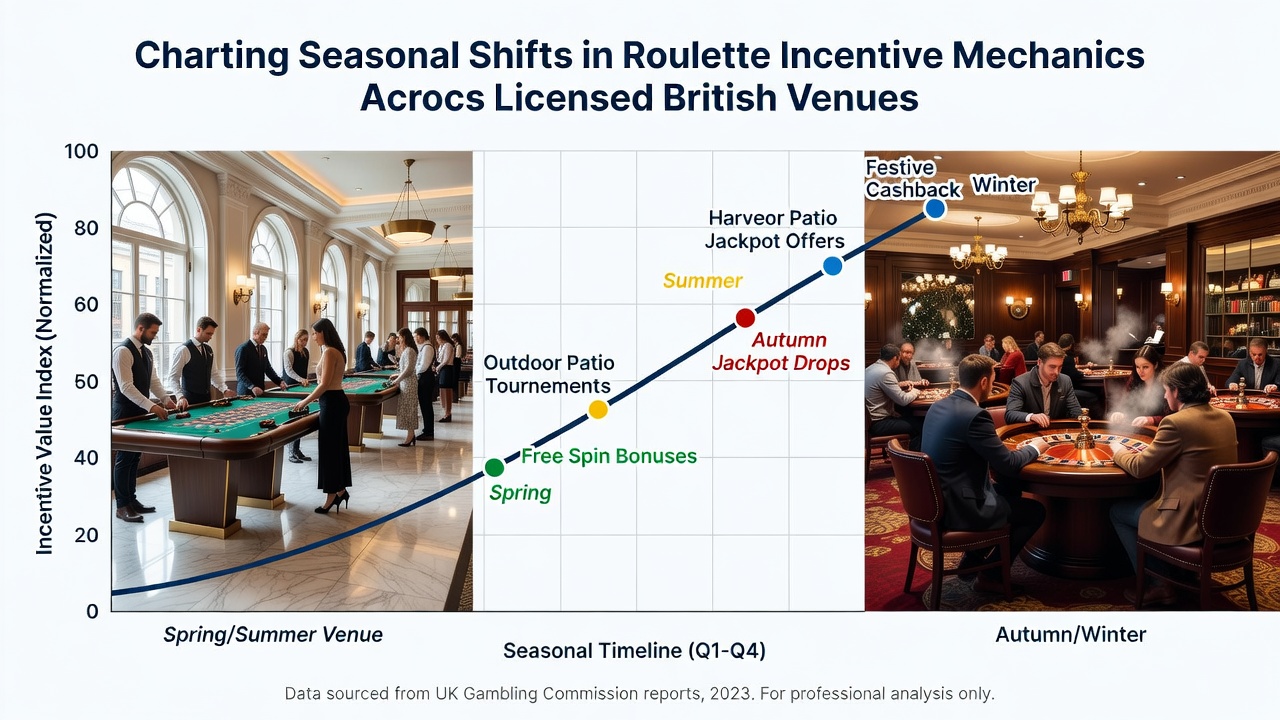
Winter months produce the most pronounced changes in withdrawal timelines attached to bonus funds, according to comparative analyses drawn from regulatory filings in multiple jurisdictions. Venues extend clearance periods for roulette-specific bonuses during this stretch, aligning them with reduced foot traffic while maintaining compliance standards set by oversight bodies outside the primary UK framework.
Key Mechanics That Vary Seasonally
Deposit match rates, free spin quantities, and cashback caps represent the three categories most susceptible to quarterly recalibration, with each element responding to distinct external triggers. Spring and summer campaigns tend to favor volume-based rewards that scale with deposit size, whereas autumn and winter programs emphasize loss-mitigation tools that stabilize player balances across longer sessions.
Those who track these systems across years report that live dealer roulette tables receive disproportionate attention during promotional peaks, with bonus credits often restricted to certain wheel types or stake ranges to control operator exposure. This selective allocation appears in venue terms that update on fixed schedules, typically announced 30 days ahead of each new quarter.
Regulatory Context and Reporting Standards
Licensed operators submit periodic summaries to relevant authorities detailing incentive modifications, and cross-referenced datasets from bodies such as the Irish National Lottery and Gaming Regulatory Authority reveal parallel trends in neighboring markets. These filings confirm that seasonal shifts rarely alter fundamental responsible gambling parameters, focusing instead on the scale and duration of available rewards.
Venues maintain internal dashboards that correlate incentive changes with player retention statistics, allowing precise calibration without breaching licensing conditions. The resulting adjustments remain transparent through published terms, enabling consistent comparison across different British sites throughout the annual cycle.
Conclusion
Seasonal shifts in roulette incentive mechanics continue to follow established rhythms shaped by calendar events and player behavior data, producing distinct promotional profiles for each quarter across licensed British venues. Observers monitoring these developments can anticipate recurring patterns in bonus structures, wagering frameworks, and reward timing without deviation from regulatory requirements.