Deciphering Cashback Tiers Driven by Roulette Volume Benchmarks on Licensed British Platforms
Gisela Lehmann · Jul 21, 2026
Deciphering Cashback Tiers Driven by Roulette Volume Benchmarks on Licensed British Platforms
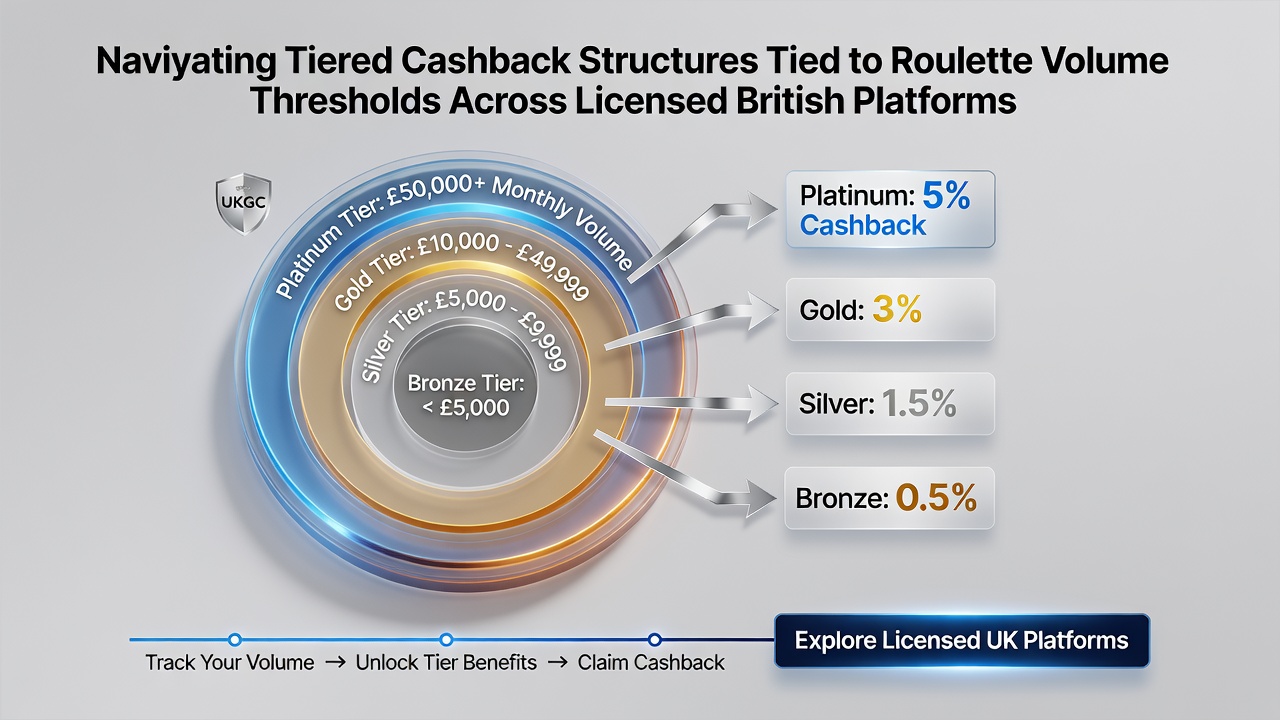
Operators on licensed British platforms structure cashback programs around cumulative roulette volumes that unlock successive reward tiers, and these frameworks adjust percentages based on monthly or quarterly play totals rather than single-session results. Data from industry reports shows that thresholds often begin at modest levels such as £500 in roulette wagers before scaling upward to £5,000, £10,000, and beyond, with cashback rates climbing from 5 percent to as high as 15 percent at the uppermost bands. Players track these volumes through account dashboards that aggregate bets placed on both European and American wheel variants, while excluding side bets in some cases to maintain clear calculations.
How Volume Thresholds Establish Cashback Rates
Platforms segment roulette activity into defined bands where each new milestone activates an elevated cashback percentage applied to net losses within that period, and operators calculate eligibility using settled bets only after the close of the measurement window. Observers note that lower tiers typically cover recreational volumes under £2,000, whereas mid-range bands between £2,000 and £8,000 deliver incremental gains, and premium categories above £15,000 frequently incorporate additional perks such as accelerated payout processing. Research from the European Gaming and Betting Association indicates that these graduated systems encourage sustained engagement across multiple weeks rather than isolated high-stakes sessions.
Turnaround times for cashback credits vary by platform yet generally occur within 48 hours of threshold confirmation, and funds appear as bonus balances subject to separate wagering conditions distinct from initial deposit offers. Those who monitor their cumulative totals weekly often identify when an approaching threshold justifies increased play volume to secure the next reward bracket before the cycle resets.
Platform Variations in Threshold Design
Different licensed sites implement unique banding structures that reflect their player demographics and roulette offerings, with some grouping live dealer tables separately from RNG wheels to reflect higher house-edge differences. A case study shared by analysts at a Canadian research institute revealed that one major operator adjusted its top tier from £20,000 to £25,000 in mid-2026 to align with observed increases in average session lengths during summer months. July 2026 data further highlighted seasonal spikes in roulette volumes across British platforms coinciding with major sporting events that drew crossover traffic from sports betting users.
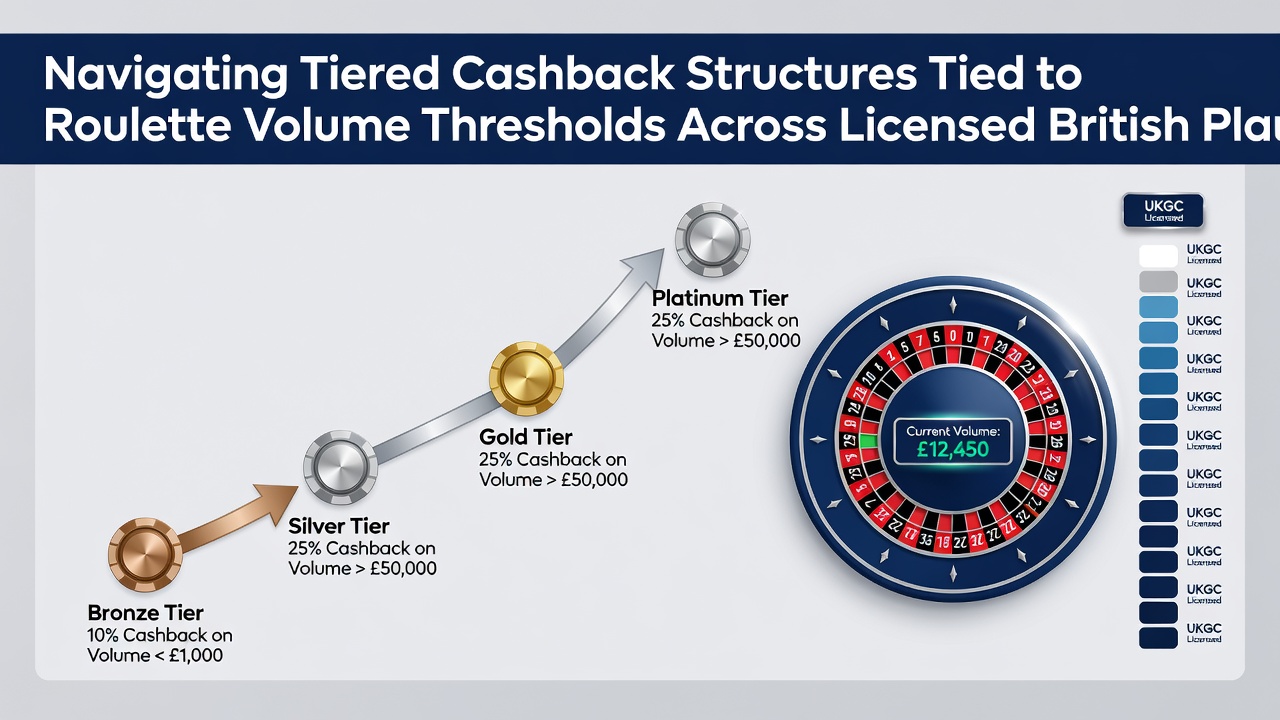
Multiple operators cap monthly cashback at fixed maximum amounts even at the highest tiers, preventing unlimited returns while still rewarding consistent volume. Figures from an Australian university study on gambling reward mechanics demonstrated that clear communication of these caps reduces player confusion and improves retention rates compared with platforms that bury threshold details in lengthy terms sections.
Tracking and Optimizing Across Multiple Sites
Users who maintain accounts on several licensed platforms frequently consolidate volume data in personal spreadsheets to identify which sites offer the most favorable progression rates for their typical roulette stakes, and this approach helps avoid spreading activity too thinly across bands that never reach higher rewards. Software tools provided by some operators export detailed bet histories that include wheel type, stake size, and outcome, enabling precise threshold forecasting without manual logging.
Cross-platform strategies become relevant when one site resets its measurement period on the first of each month while another uses rolling 30-day windows, creating opportunities to time volume shifts accordingly. Industry reports note that transparent threshold tables published on operator sites allow direct comparison, whereas less forthcoming platforms require direct support queries to clarify exact banding criteria.
Regulatory Context and Reporting Standards
Licensed operators must maintain auditable records of all cashback calculations tied to volume metrics, and external audits verify that thresholds apply consistently without selective adjustments for individual accounts. Reports from the Nevada Gaming Control Board on similar tiered systems in other jurisdictions provide comparative benchmarks that British platforms reference when refining their own structures ahead of annual compliance reviews.
Player education materials distributed through responsible gambling portals explain how volume-based rewards interact with loss limits and self-exclusion tools, ensuring that cashback mechanisms do not inadvertently encourage exceeding personal budgets. Data shows that platforms integrating real-time volume trackers within their apps experience higher compliance with these guidelines.
Conclusion
Tiered cashback structures tied to roulette volumes continue to evolve on licensed British platforms as operators refine banding criteria and measurement periods based on aggregated player data from 2026. Understanding these mechanics involves reviewing each site's published thresholds, tracking personal volumes consistently, and recognizing how different wheel formats contribute to overall eligibility. Such navigation supports informed participation within the established regulatory framework.