Cashback Mechanisms and Their Role in Prolonging Roulette Sessions on UK Licensed Platforms
Rafael Berger · Jun 5, 2026
Cashback Mechanisms and Their Role in Prolonging Roulette Sessions on UK Licensed Platforms
Data from industry reports indicates that cashback programs operate as structured reward systems where operators return a percentage of net losses to players, and these returns often feed directly back into active roulette sessions across multiple UK licensed sites. Observers note that such mechanisms create continuous cycles because cashback credits typically convert into playable balances that trigger further wagers without requiring fresh deposits, while regulatory frameworks from bodies like the Malta Gaming Authority ensure transparency in how these credits calculate and apply.
Researchers have documented that cashback percentages usually range between five and twenty percent depending on player tier and platform volume, and when applied to roulette specifically the credits often carry lower wagering multipliers than standard bonuses. This structure allows sessions to extend because players receive automatic top-ups after loss thresholds, and those top-ups maintain table presence during peak evening hours when live dealer roulette tables see highest traffic.
How Cashback Loops Form in Practice
One documented pattern shows players moving between operators during a single evening, collecting cashback from one platform then transferring activity to another where fresh loss calculations begin. Figures from the European Gaming and Betting Association reveal that cross-platform play increased notably in early 2026, and roulette remains a preferred vehicle because its fast round cycles accelerate loss accumulation that qualifies for cashback triggers. The loop sustains when cashback arrives as instant credit, enabling immediate re-entry into new spins rather than forcing a pause for manual deposits.
Studies conducted by academic teams at the University of Nevada, Reno highlight that players who receive cashback within twenty-four hours of losses demonstrate extended session lengths compared to those without such programs, and UK platforms integrate these systems through loyalty dashboards that track cumulative losses across roulette variants including European, French, and multi-ball formats.
Platform Integration and Timing Factors
Operators structure cashback calculations on daily or weekly cycles, and June 2026 saw several licensed sites introduce real-time loss trackers that notify players once they approach cashback qualification thresholds. This timing matters because immediate visibility encourages continued play on the same session rather than logging off, while seamless integration with live roulette interfaces keeps the funds visible as available balance throughout extended table time.
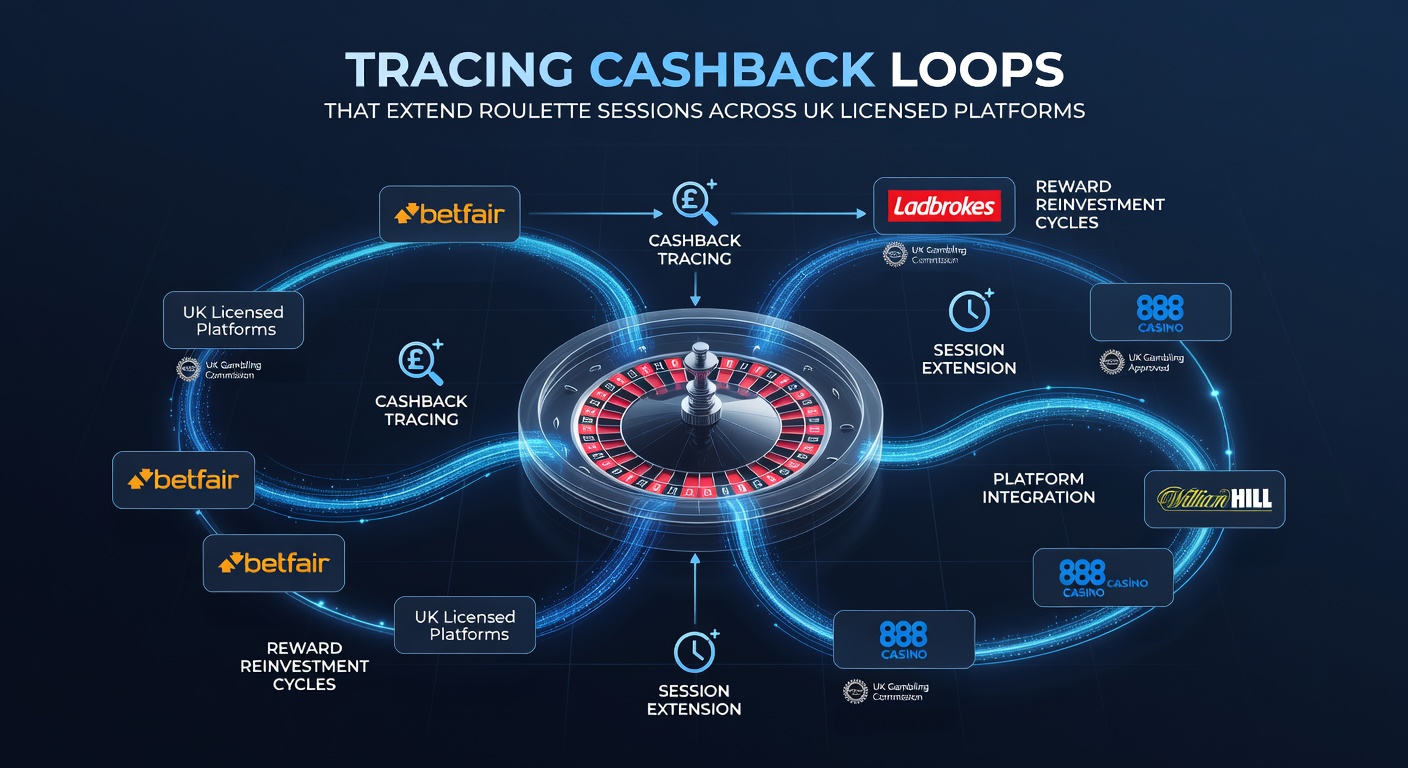
Those who monitor multiple accounts across operators often stagger their roulette activity to align cashback payout windows, creating staggered loops where one platform's return funds activity on another site until its own cycle resets. Industry data shows this pattern appears most frequently among mid-tier loyalty members who receive five to ten percent returns and maintain consistent weekly volumes without reaching higher VIP thresholds.
Regulatory Context and Reporting Requirements
Frameworks established by the Australian Communications and Media Authority require clear disclosure of cashback terms including minimum loss amounts and payout frequencies, and similar standards appear in UK licensed environments through operator licensing conditions. These rules prevent indefinite loops by imposing caps on cashback amounts per period and requiring clear separation between cashback credits and withdrawable balances until additional playthrough occurs.
Reports from the Canadian Gaming Association indicate that transparent cashback structures correlate with higher player retention metrics across casino verticals, and roulette benefits particularly because its house edge remains fixed regardless of funding source, allowing operators to project long-term revenue while players experience prolonged engagement through recycled loss returns.
Technical Tracking Across Multiple Sites
Modern platforms employ unified player tracking systems that record every roulette spin outcome and aggregate losses for cashback eligibility, and these systems operate independently per operator even when players maintain accounts across several licensed entities. When cashback credits post, they appear as separate balance lines that must often convert through additional roulette wagers before becoming eligible for withdrawal, thereby extending session duration by design.
Observers note that June 2026 introduced enhanced API connections between certain operators and third-party loyalty networks, enabling players to view combined cashback projections across platforms without manual calculations, and this visibility further supports sustained roulette activity as individuals plan their evening around upcoming credit arrivals.
Conclusion
Cashback systems across UK licensed platforms function through defined loss-based returns that integrate directly into roulette balances, and documented patterns demonstrate how these credits sustain longer sessions by eliminating deposit pauses between rounds. Regulatory oversight from multiple jurisdictions maintains structure around calculation methods and payout timing, while technical tracking tools allow players to manage activity across operators. Data from industry associations and academic sources continues to map these cycles as standard features of modern roulette offerings.