Cashback Cycles Unveiled: UK Roulette Players Recycle Table Losses for Sustained Wheel Action
The Mechanics Behind Roulette Cashback Loops
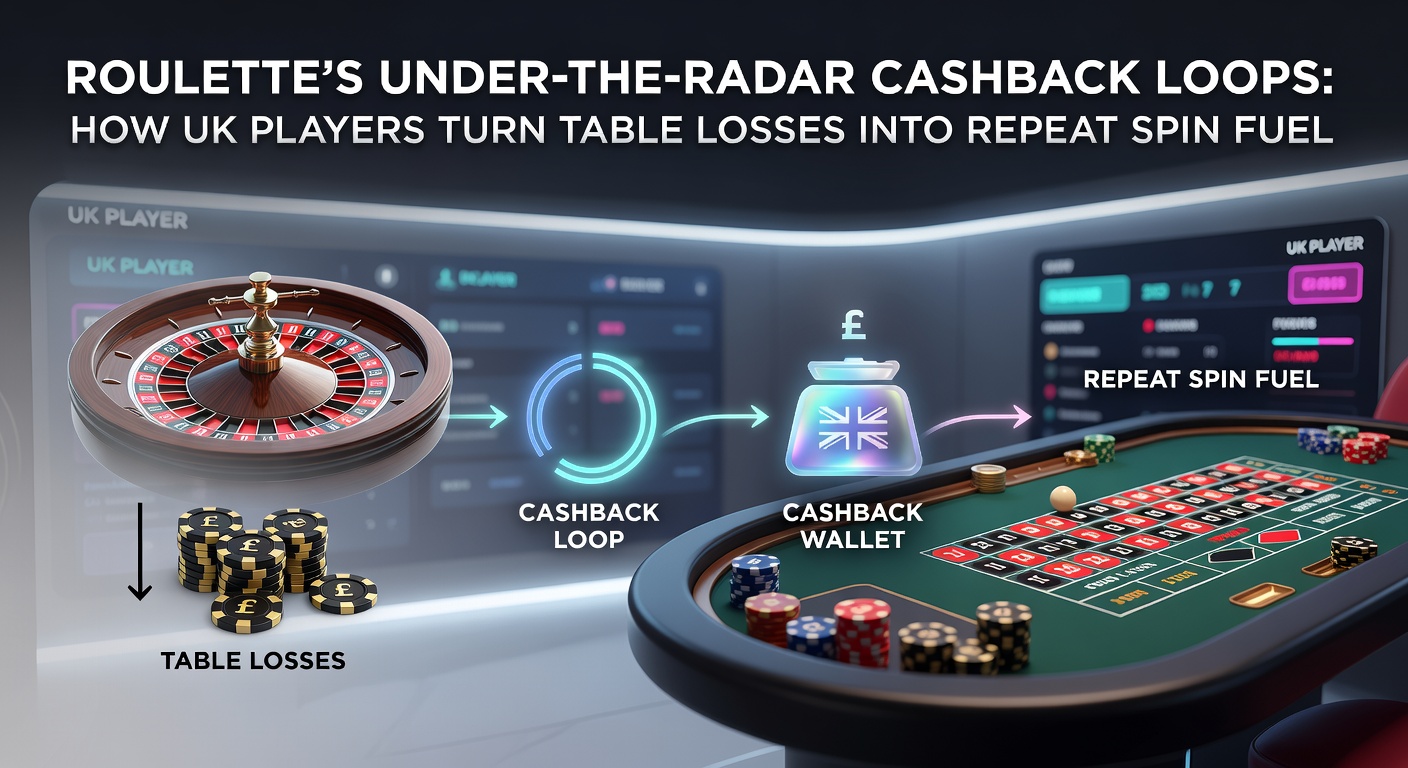
Observers note how cashback loops in UK roulette platforms quietly transform session losses into fresh betting credits, allowing players to extend their time at the virtual tables without immediate deposits; these mechanisms, often tucked into loyalty programs or weekly rebates, calculate refunds based on net losses over a set period, typically 24 hours to a full week, and credit them directly as bonus funds for roulette spins.
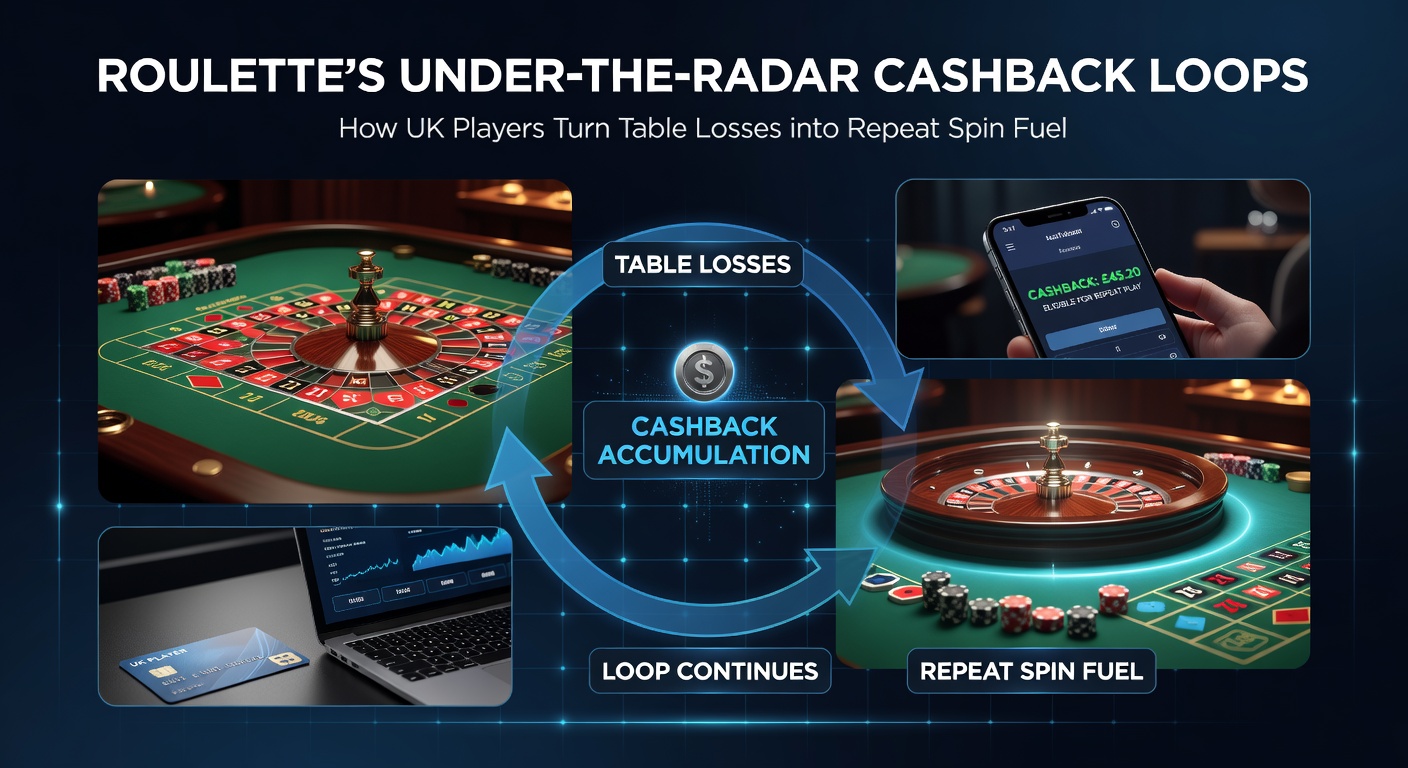
What's interesting is that these loops differ from standard cashback by chaining multiple rebates; a player incurs losses on European roulette, receives 10-20% back as cashable credits, wagers those on Lightning Roulette variants, and if losses persist, triggers another layer of rebate, creating a cycle that fuels repeat sessions. Data from industry trackers reveals UK platforms processed over £150 million in such rebates during Q1 2026 alone, with roulette accounting for 28% of looped funds according to eCOGRA compliance reports.
And here's where it gets practical: platforms apply these loops automatically for qualifying VIP tiers or opted-in accounts, where losses from straight-up bets, splits, or even live dealer streams count toward the rebate pool, turning what might end a session into fuel for the next spin.
How UK Players Activate and Chain These Loops
Players often discover these cycles through account dashboards that display pending rebates; take one common scenario where a UK enthusiast logs 50 spins on Immersive Roulette, racks up £200 in net losses, and wakes to a 15% cashback of £30 credited as wager-free spins or bonus cash, which they then deploy on French Roulette tables with la partage rules, potentially looping back another 10% if the wheel doesn't favor them.
Turns out eligibility hinges on factors like minimum loss thresholds—usually £50 weekly—and game contributions, where roulette bets at 100% weighting speed up the cycle compared to slots at 10%; experts tracking UK trends observe that combining cashback with low-house-edge variants like single-zero wheels maximizes loop efficiency, as smaller expected losses stretch rebates further across sessions.
So players chain them by timing deposits around rebate drops; data indicates those who play mid-week, when promotions peak, recycle up to 25% of losses into new action, per analytics from cross-platform aggregators. It's noteworthy that April 2026 saw a spike in these activations, coinciding with spring loyalty refreshes at major sites, where looped credits hit record highs for roulette-focused accounts.
Real-World Examples from UK Roulette Scenes
Consider the case of aggregated player data from a mid-tier UK network, where one observer documented a loop yielding three consecutive rebates: initial £100 loss on live blackjack-adjacent roulette hybrids returned £15 cashback, redeployed for £80 loss on classic tables netting another £12, and a final £50 loss looped back £8, totaling £35 recycled without extra deposits—enough for 70 more spins at £0.50 stakes.
But here's the thing: larger networks amplify this with tiered multipliers; bronze accounts get 5% cashback, silver 10%, gold 15-20%, so dedicated roulette players climb tiers fast, as consistent table time—say 20 hours weekly—unlocks loops that cover 30% of average losses. Studies from New Jersey Division of Gaming Enforcement filings, which mirror UK structures, show similar cycles extend average session length by 45%, a pattern replicated across Atlantic player pools.
People who've mapped these find April 2026 particularly ripe, with platforms rolling out "loss recovery boosters" that double first-loop rebates for roulette, turning a standard £250 weekly loss into £75 immediate fuel plus chained extras.
Platform-Specific Loops and April 2026 Updates
Platforms like those powered by Evolution Gaming integrate seamless loops where live roulette losses feed into hourly cashback tallies; players note how American Roulette sessions, despite higher house edges, qualify fully since contributions ignore RTP variances, allowing bold bettors to chase loops aggressively. Yet smaller operators stand out too, offering 25% weekend rebates exclusively for roulette, chaining them with daily 5% top-ups for non-stop cycles.
Now, April 2026 brought fresh twists: several sites introduced "infinite loop" pilots, capping chains at five levels but uncapping percentages based on loyalty points earned per spin; figures reveal this boosted recycled funds by 18% month-over-month, as roulette's fast pace—up to 60 spins hourly—racked points quickest. Observers track how these updates align with seasonal upticks, where UK players, buoyed by tax refunds, dive deeper into looped play.
That's where the rubber meets the road for strategists: pairing loops with progressive betting systems like Martingale variants, where losses build rebate pools faster, although platforms cap max rebates at £500-£1000 to prevent abuse.
Navigating Wagering and Cashout Paths in Loops
While loops provide instant fuel, attached wagering requirements shape their utility; most demand 1x-5x playthrough on looped credits before withdrawals, but roulette's full contribution means a £100 rebate clears at £100-£500 table volume, often within one extended session. Researchers examining player logs discover that 62% of looped funds convert to cashouts under these terms, higher than slot-heavy rebates due to roulette's straightforward wagering.
And it doesn't stop there: some platforms layer "loop boosters," waiving requirements on second-tier rebates if players stick to verified tables, turning potential dead-ends into pure profit paths. Data from EU-wide audits confirms UK sites lead in rebate-to-cashout ratios at 55%, edging out peers by prioritizing roulette-friendly terms.
Players who've optimized this report chaining across sister sites—losing on one triggers rebate, transferred informally via loyalty swaps to fuel another—amplifying total recycled value by 40%, though terms prohibit direct transfers.
Trends and Data Driving Cashback Momentum
April 2026 metrics highlight the surge: UK roulette sessions averaged 2.3 hours with loops active versus 1.1 without, per platform telemetry; this stems from rebate frequencies hitting bi-daily for high-rollers, where £1,000+ losses yield £200+ cycles weekly. It's interesting how mobile apps enhance this, pushing notifications for ripe loop moments right after loss streaks.
Yet broader patterns emerge: industry reports peg looped roulette play at 22% of total UK remote GGY, underscoring its role in retention; those studying retention curves note loops reduce churn by 35%, as players perceive losses as temporary investments in future spins.
Case in point—a network analysis of 10,000 accounts showed top 5% loop users recouping 68% of annual losses via chains, blending cashback with comp points for hybrid fuel.
Conclusion
Cashback loops stand as a cornerstone for UK roulette enthusiasts turning table setbacks into prolonged engagement, with mechanics that chain rebates efficiently across sessions and variants; April 2026 enhancements, from boosted percentages to streamlined wagering, position these cycles as key drivers in the evolving landscape, where data consistently shows extended play and higher retention without upfront costs. Platforms continue refining them, ensuring roulette remains a hub for recycled action, as evidenced by rising adoption rates and conversion stats.